Who we are
Relief that stays with the family
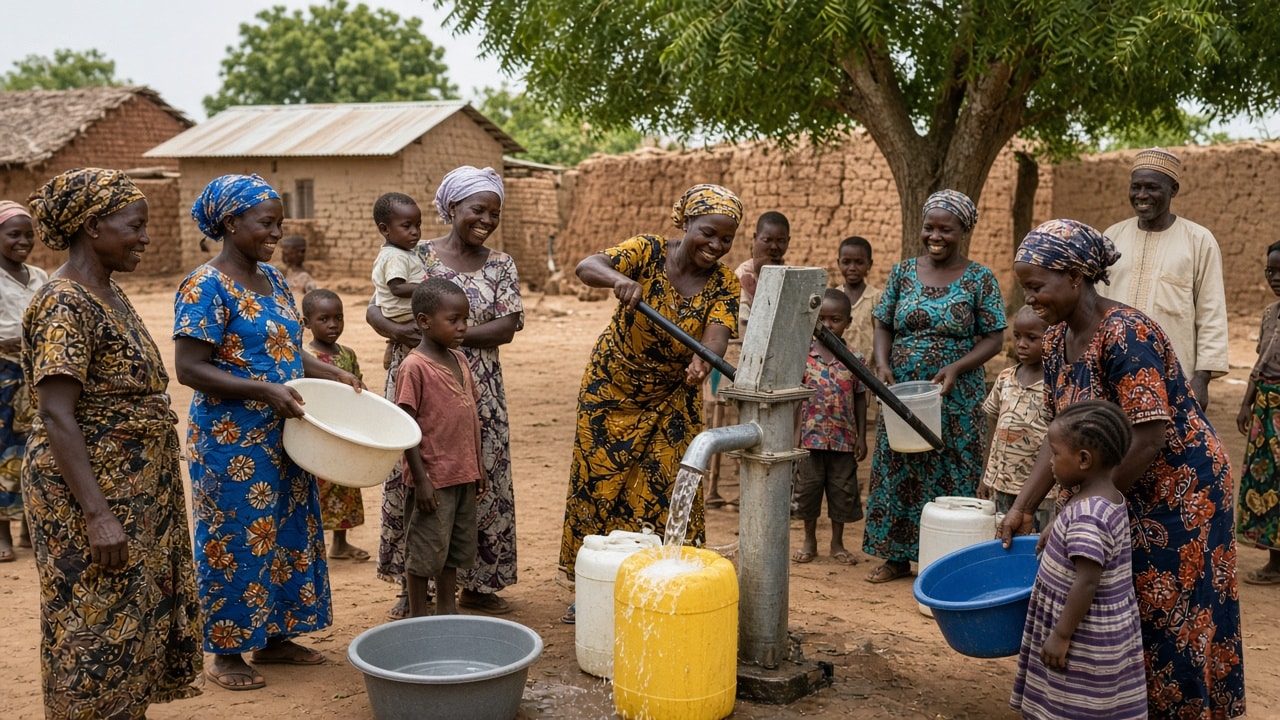
Rahama Family Foundation works with communities across northern Ghana. We focus on the things a household feels every day: water that is safe to drink, children who are growing well, and food that lasts past the harvest.
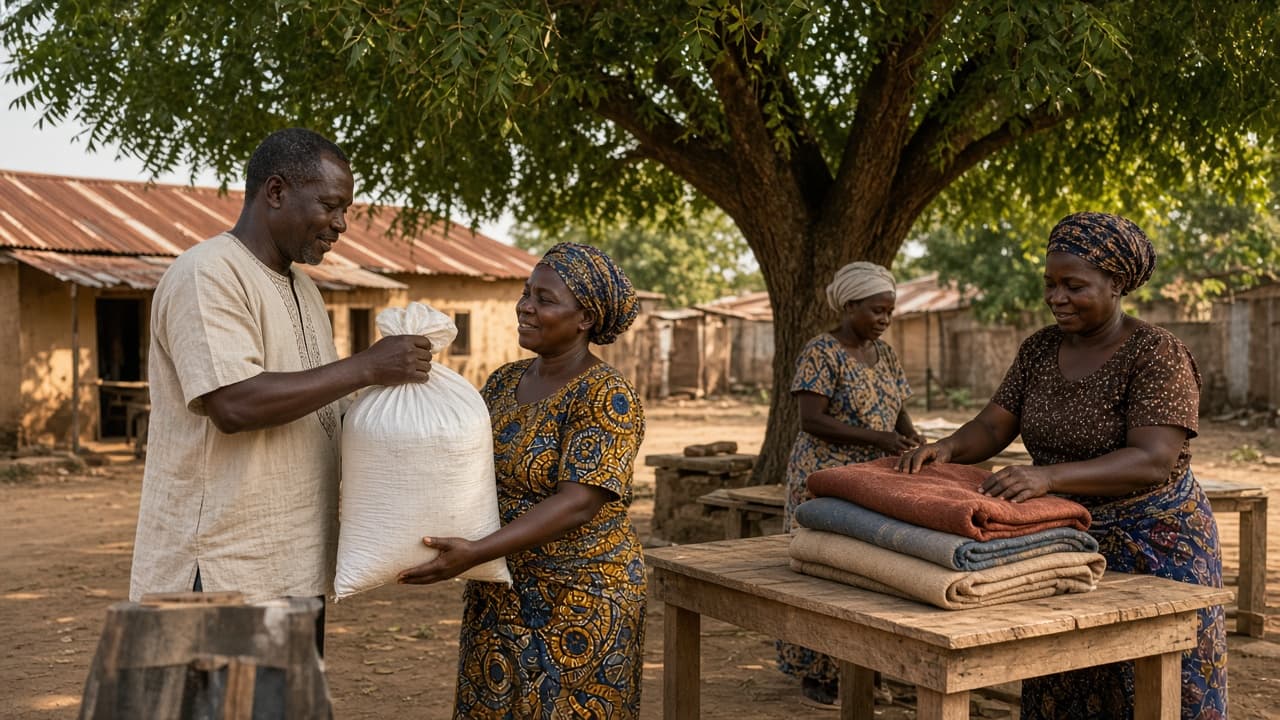
The work is local. A water committee looks after a pump. Teachers lead reading clubs. Women farmers plant gardens beside a reservoir. When floods come, neighbors help move grain, blankets, and water treatment to the families who lost the most.
5
Regions in Ghana
6
Active programs
What we support
Six ways families are helped
Each program is small enough to maintain and practical enough to use the week it arrives.
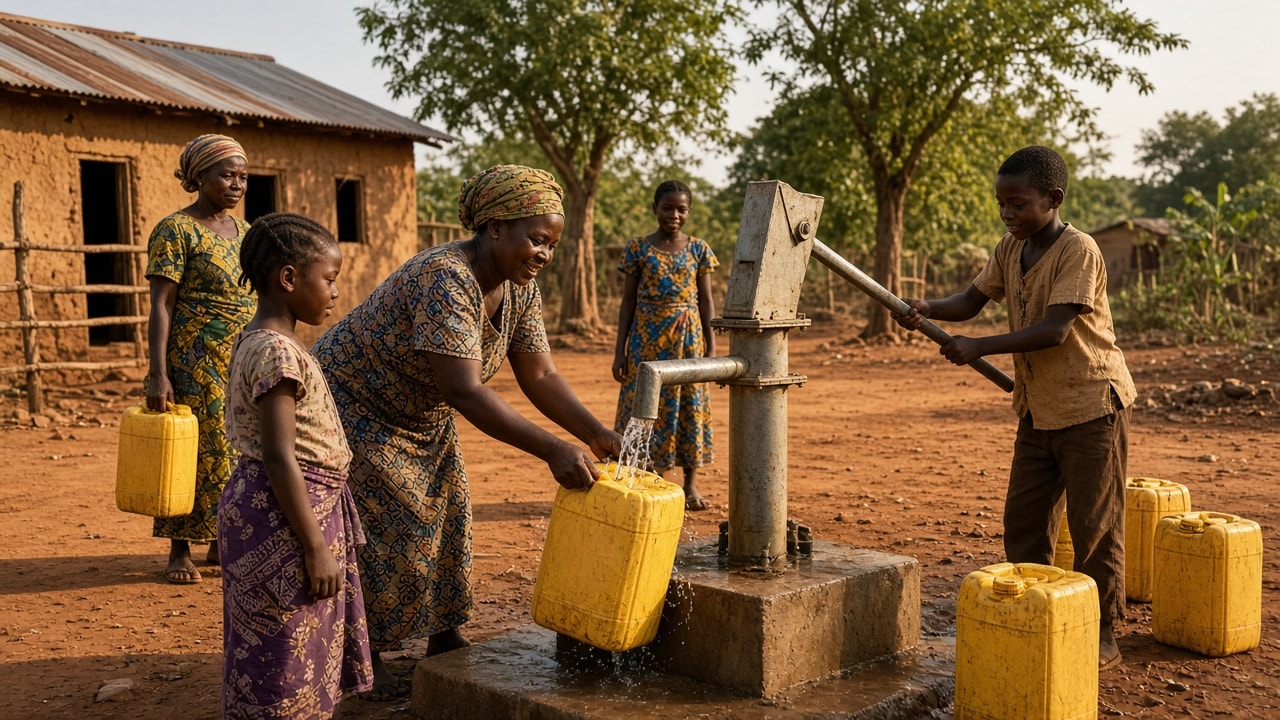
Clean water
Hand-pumped boreholes and local water committees so households can collect and store drinking water safely.
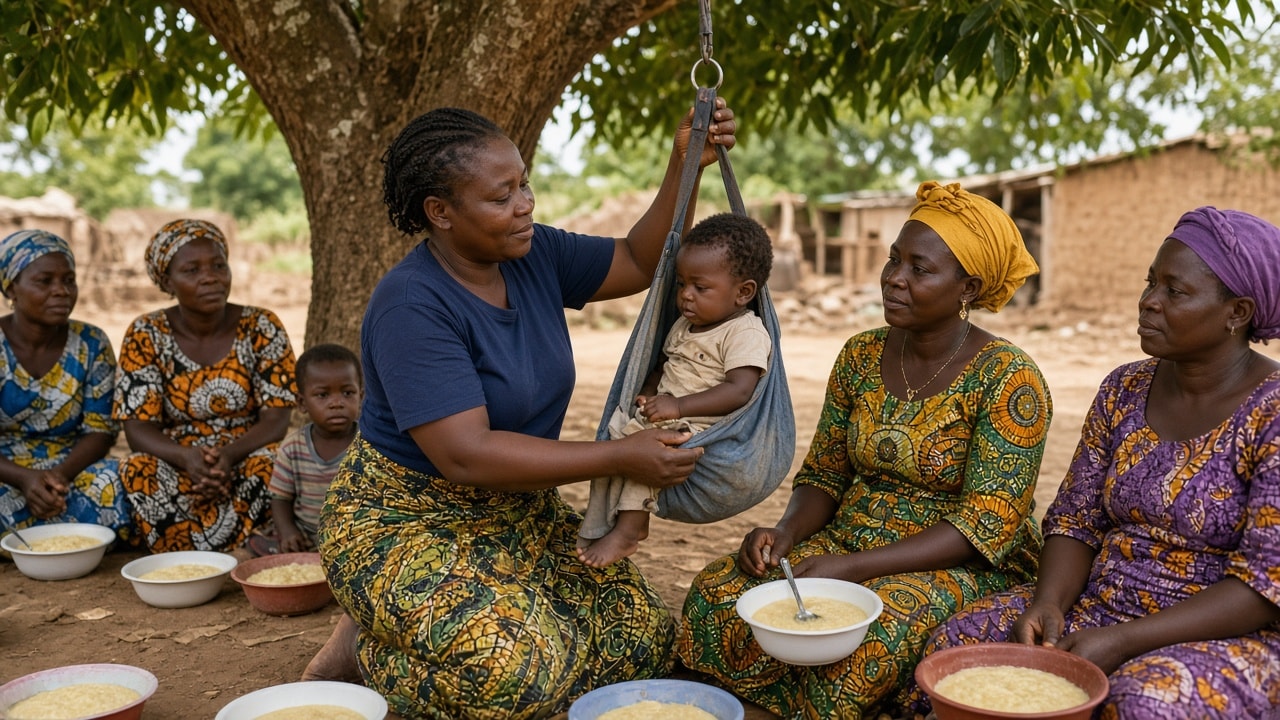
Child nutrition
Screening, caregiver counseling, and porridge made from local grains during the dry season.
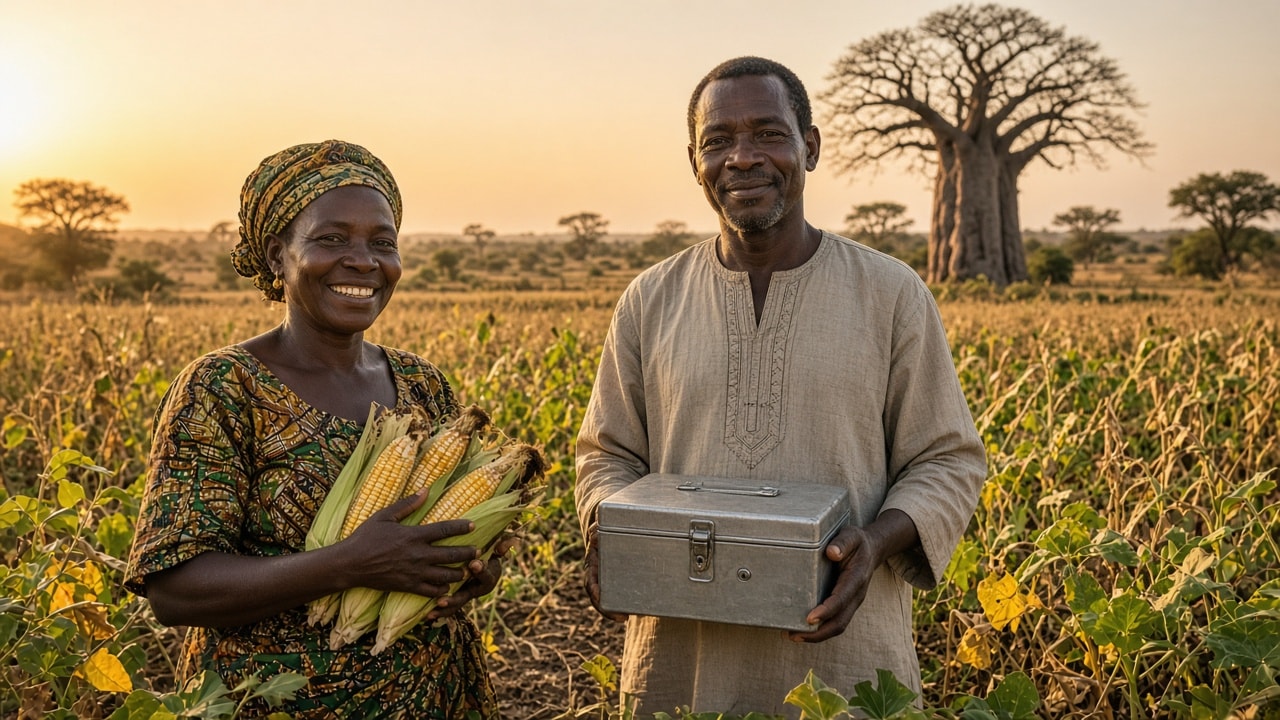
Food security
Dry-season gardens and savings groups that help families eat through the lean months.
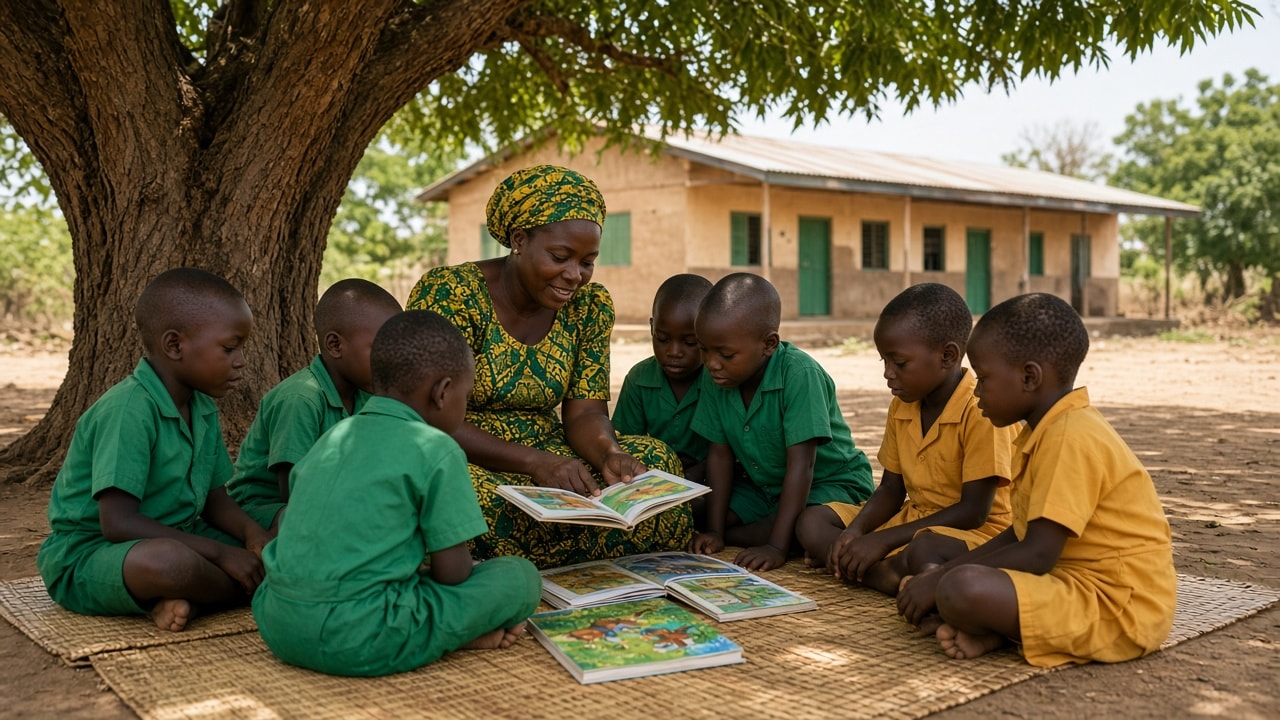
Reading clubs
After-school clubs where pupils practice literacy in their own language and in English.
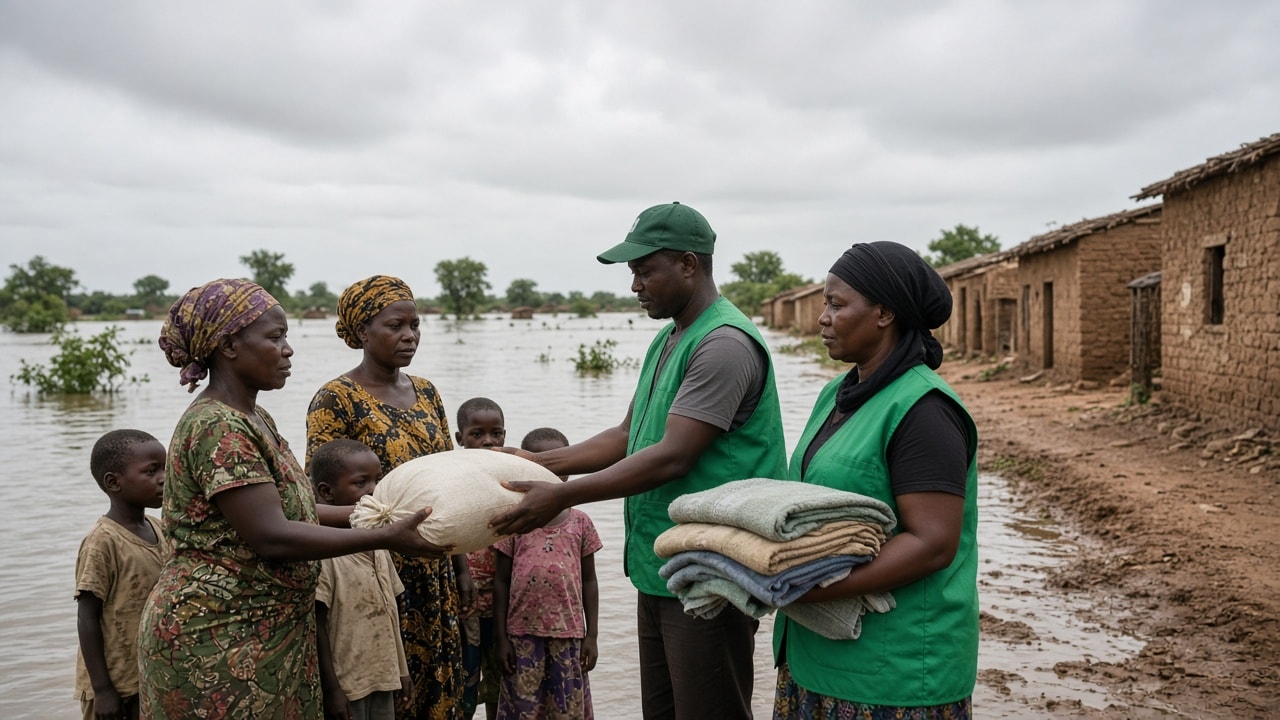
Flood relief
Grain, blankets, and water treatment for families whose homes and farms are damaged by seasonal floods.
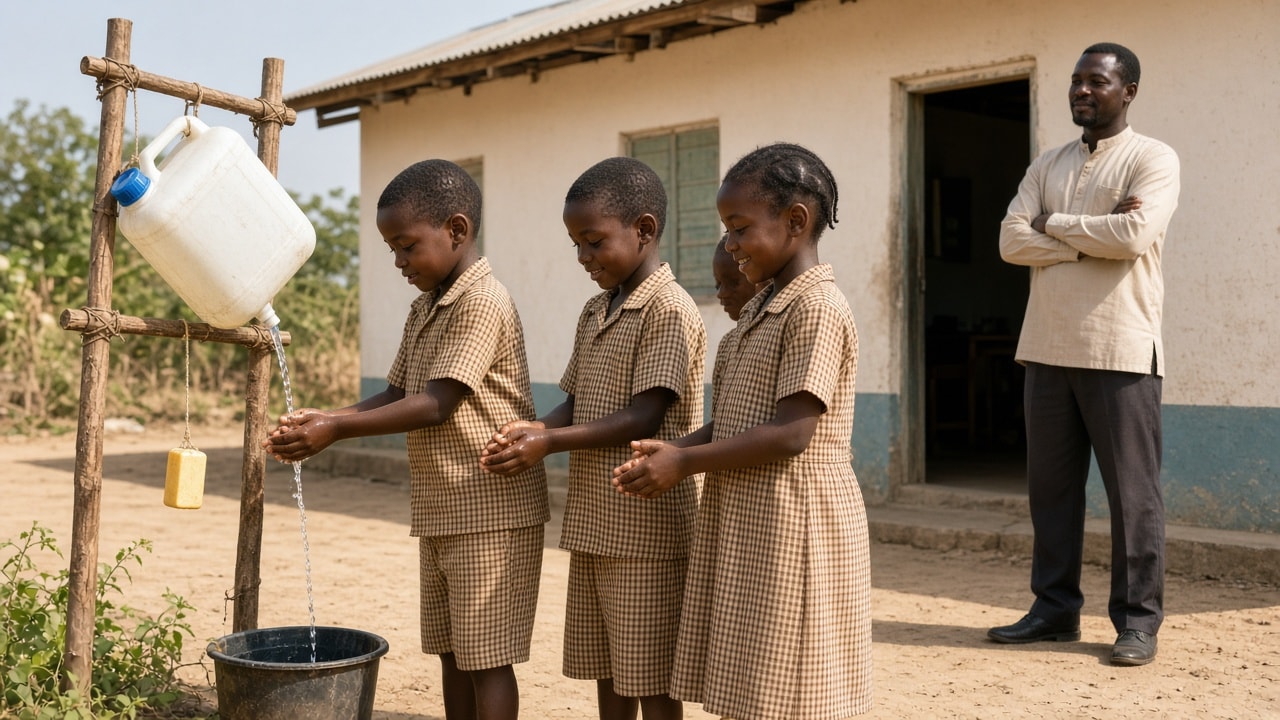
School hygiene
Handwashing stations and simple lessons that help pupils stay well before meals.
How we work
From a gift to a village
01
Start with the community
Water committees, teachers, and women’s groups tell us what the season actually needs, from a broken pump to a flooded farm.
02
Fund practical relief
Gifts pay for boreholes, nutrition sessions, seed and tools, books, and emergency supplies. Local people carry out the work.
03
Show what happened
We publish where the money went and what changed: households reached, schools served, and regions covered.
$213K
Raised for active relief
480
Households with new water
6
Relief programs
5
Regions in Ghana
What guides us
Values we can point to in the field
Families first
Programs are built around households: water at the pump, food in the lean season, and children who can read and stay well.
Local leadership
Committees and volunteers in each community maintain the work after a project team leaves.
Open books
Donors can see active programs, regions, and field stories instead of a single vague promise.
Care that lasts
A borehole needs caretakers. A garden needs a savings group. We plan for the months after the first visit.